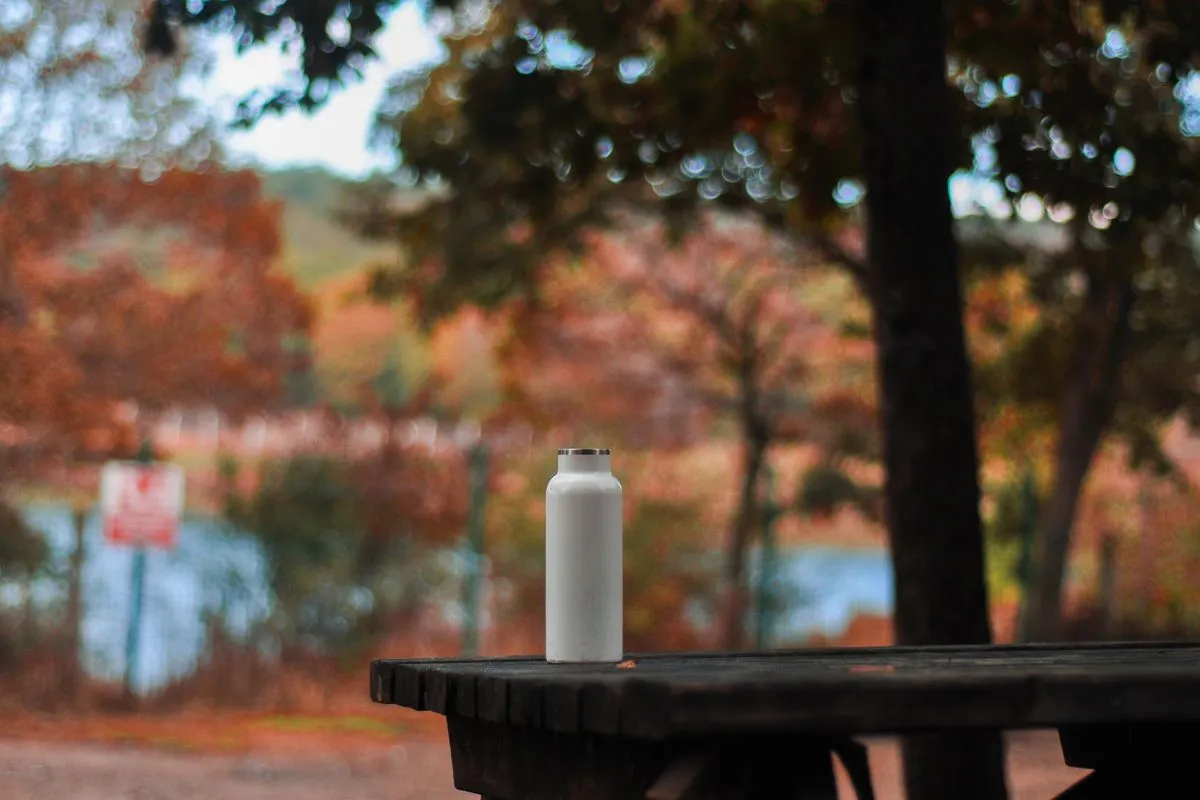
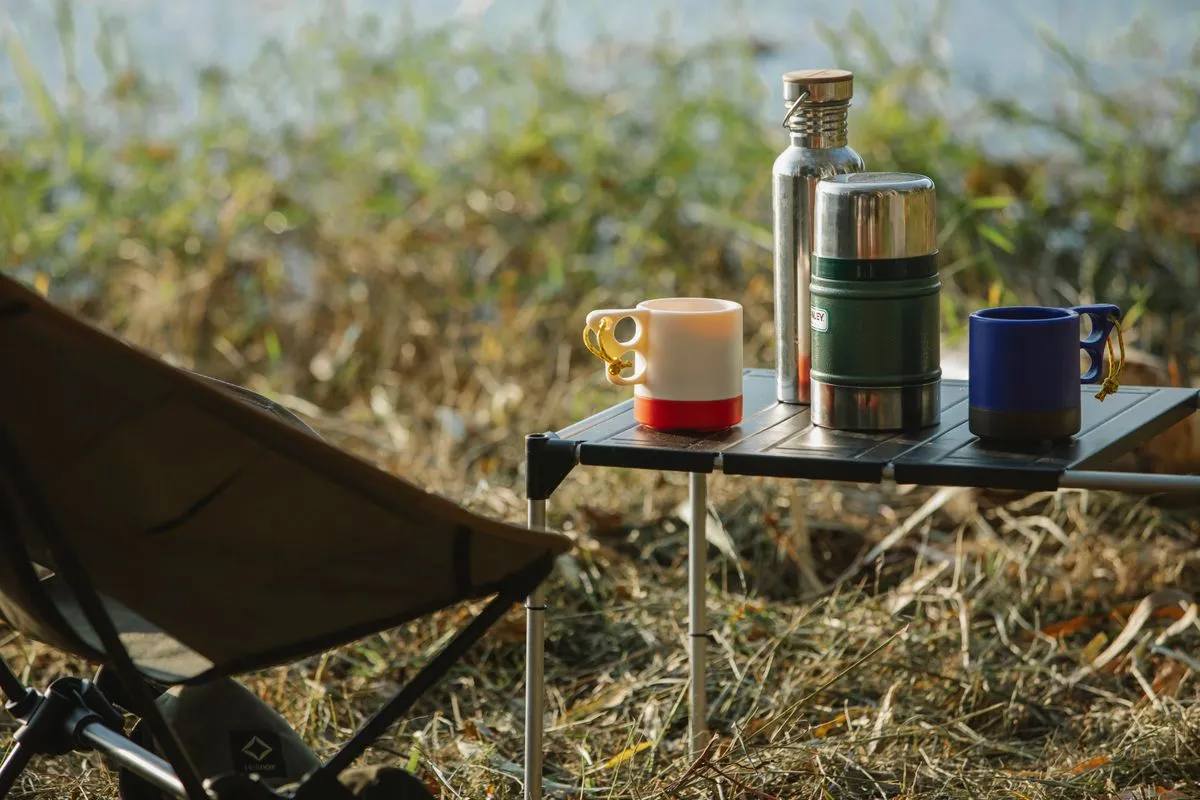
Picture reaching into a backpack side pocket while friends continue down the trail. The bottle is there, but it is too wide to pull out easily and its lid takes two hands to open. A different bottle might have made the same walk simpler. Capacity and color get attention online; fit and everyday handling determine whether a bottle is pleasant to use.
Compare the options
Fit the place where it will travel
Measure the narrowest part of your backpack pocket or car cup holder rather than estimating from a photograph. Include the bottle’s base and any protective sleeve. A large nominal capacity is not useful if it forces you to carry the bottle in your hand for the whole walk. If a pocket is angled, check that its retention system suits the bottle shape.
Consider retrieval as well as insertion. Can you grasp the lid or handle without pulling other gear out? Does the lid catch on the pocket edge? A bottle carried inside the main compartment should have a closure explicitly intended to prevent leaks in that position. A drinking cup with a spill-resistant lid is not automatically suitable for being packed sideways.
Choose capacity as part of a water plan
Your route, weather, effort and access to reliable drinking water should determine the total water you carry. There is no single bottle size that covers every outing. Check trail and campground information before leaving, and do not assume a mapped fountain is working. A bottle purchase should support that plan, not stand in for one.
Two smaller bottles can provide flexible placement and separate clean drinking water from other camp tasks, but they mean two lids to manage. One large bottle simplifies counting and filling but can be awkward in a small pack. Compare both arrangements using containers you already own before paying for a new carrying system.
Judge lids by the cleaning job
A screw cap is simple to inspect, while a straw or push-button lid may be more convenient to drink from. Convenience comes with extra parts. Before buying, look at how the seals, straw and mouthpiece come apart, whether instructions explain reassembly, and whether replacements are available. Small crevices are easy to overlook in product photos.
Hydro Flask’s care guidance describes warm soapy water and a bottle brush for handwashing, and makes dishwasher compatibility conditional on the product. Apply the same habit to any brand: read the exact model’s instructions rather than assuming all metal bottles, caps or coatings tolerate the same cleaning method. Let components dry thoroughly before closing and storing them.
Decide whether insulation earns its place
For a picnic beside the car, a heavier insulated bottle may be an easy trade. On a walk with limited pack space, the extra bulk may matter more than cold water. Think about where the bottle will be used most often. A bottle that goes to work five days a week can justify features that would be unnecessary for two camping weekends.
Do not pay extra for a claimed temperature duration you have no practical need for. Check how the claim was measured if it drives your choice, and remember that opening the bottle and changing conditions affect real use. Also check whether your preferred lid is approved for the drinks you intend to carry; a straw lid should not be assumed suitable for hot liquids.
Spend on replaceable parts and reliable habits
A replacement cap or gasket can matter more over time than a fashionable finish. Look for a clear parts listing and understandable care instructions. If several people share a kitchen, distinguish bottles with a simple label rather than buying a complicated accessory system. Keep any attachment within the manufacturer’s intended use; a carry loop is not automatically load-bearing equipment.
When the bottle arrives, wash it as directed and check the closure over a sink before putting it near electronics. Try it in your bag with the other gear packed. Practice removing and replacing it while standing still. If its size or lid is inconvenient during that simple check, exchange it while you can instead of expecting repeated frustration to disappear outdoors.
Questions before you buy
Is stainless steel always the best material?
No. A steel bottle can suit durability or insulation priorities, while a lighter bottle may fit a hiking kit better. Judge the complete design, weight and cleaning instructions rather than the material alone.
Does a filter bottle make any water safe?
No universal claim is appropriate. Treatment capability depends on the exact filter or purifier and conditions. Check its documented limitations and follow official guidance for the water source.
Should I replace a bottle just because it is old?
Inspect it according to the manufacturer’s guidance. Damaged seals, cracks, persistent contamination or an unreliable closure merit attention. A functioning bottle that fits your needs does not need replacing for a new color.
Sources & editorial notes
This guide combines original shopping scenarios and editorial reasoning with the published resources below. It does not claim hands-on testing. Product specifications, availability and retailer terms can change; verify the exact listing before purchasing. Sources checked October 4, 2026.
Found something that needs correcting? Contact the editor.