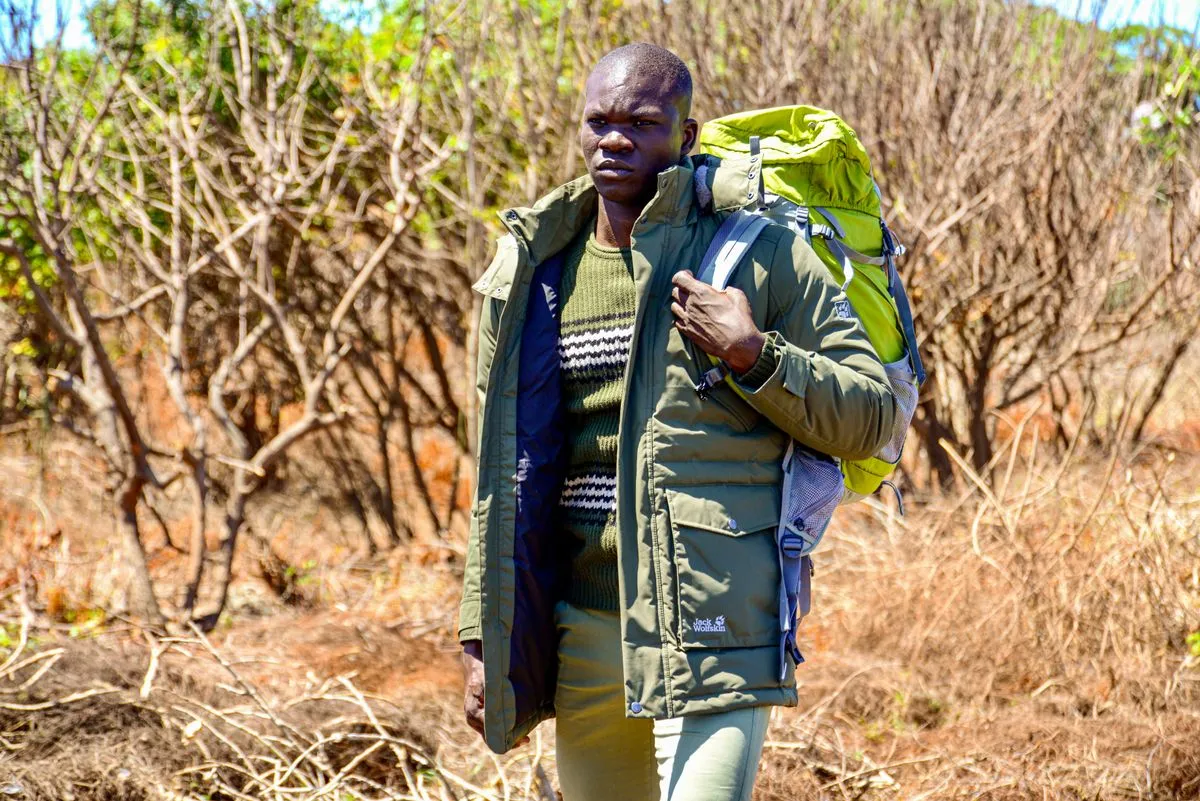
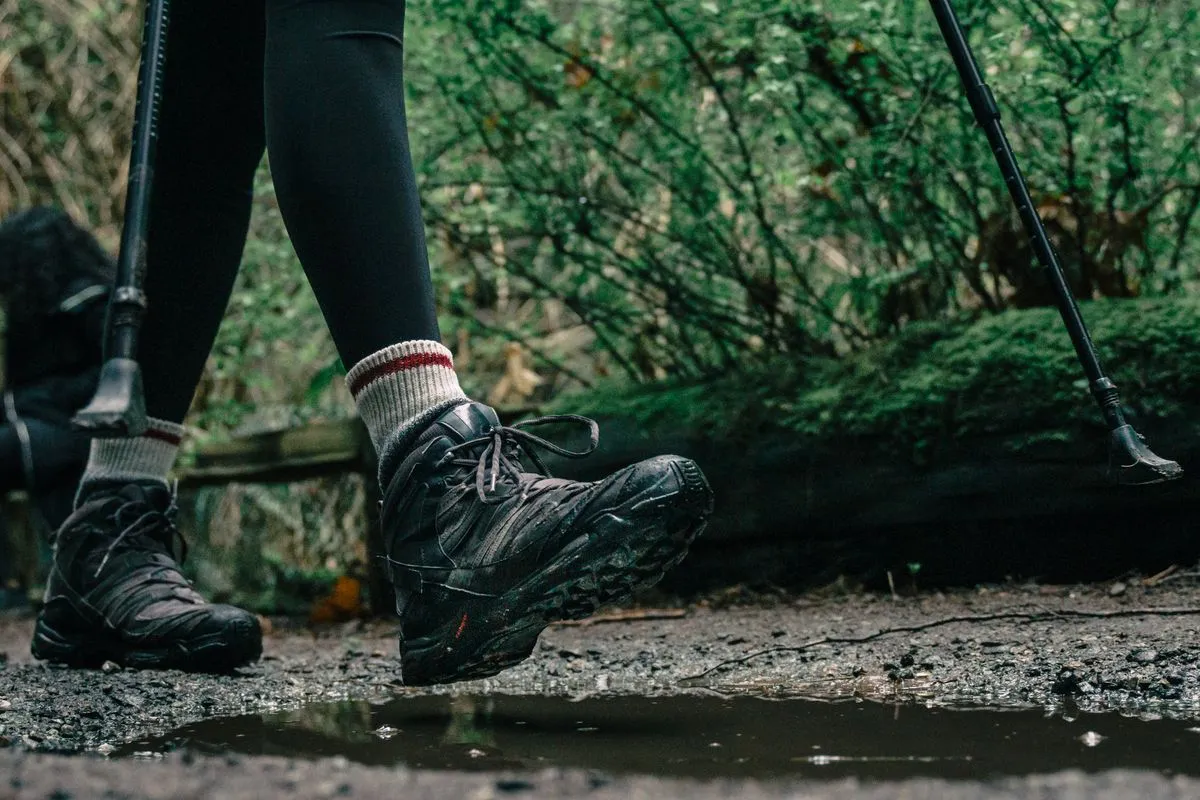
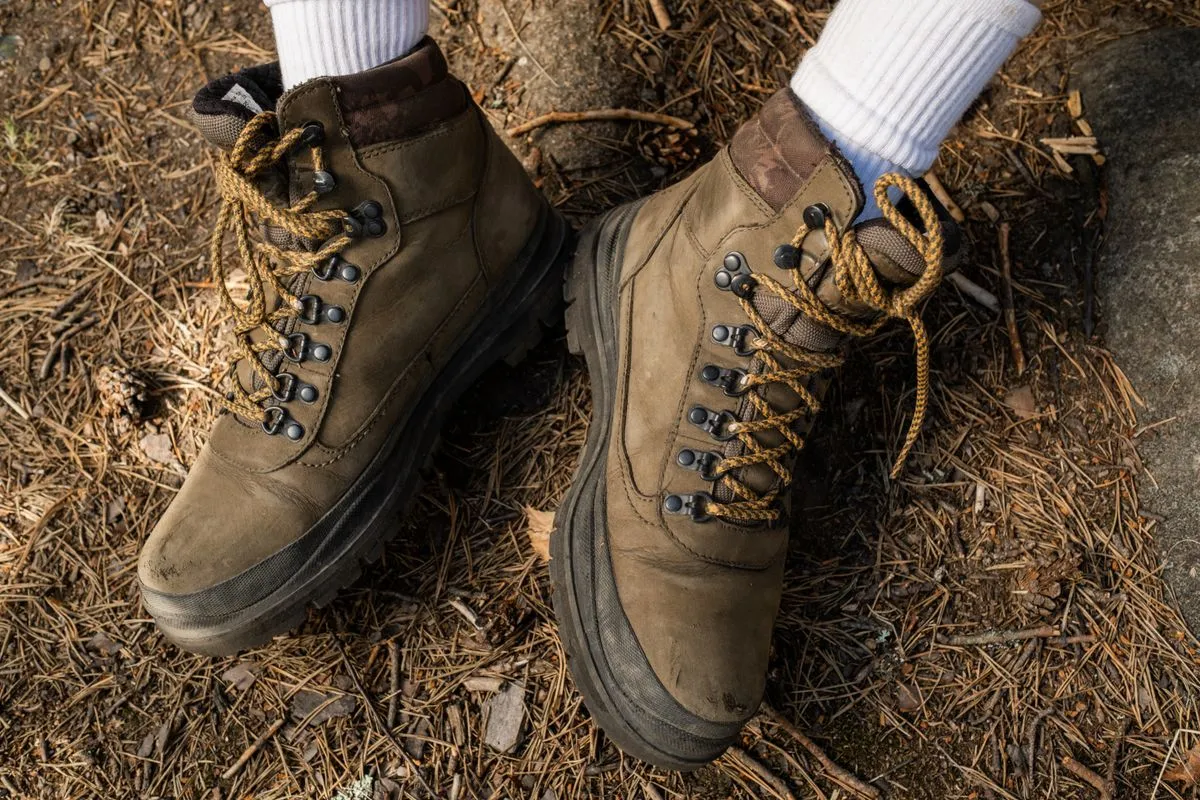
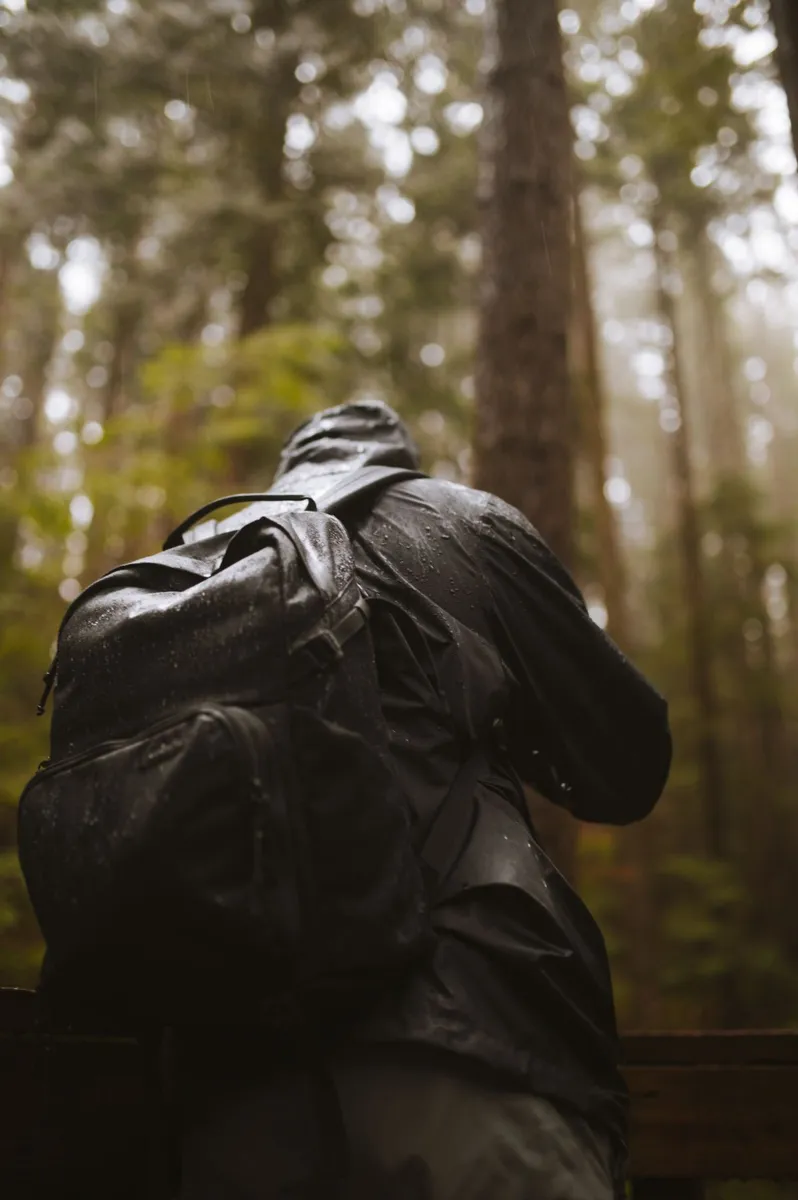
Imagine packing for a Saturday woodland loop: lunch, a rain shell, water, a camera and the sweater someone will ask you to carry later. The bag that looked spacious at home suddenly has bottles dangling outside and a zipper under strain. Start with that ordinary load when shopping. A daypack should make a familiar outing easier to organize, rather than encourage you to buy more equipment to fill it.
Compare the options
Pack your usual day before choosing liters
Lay out the equipment you actually take, including the water containers you own. Add the layer you tend to remove halfway uphill. This gives a more useful shopping brief than deciding that a certain number of liters sounds adventurous. REI organizes daypack choice around activity, capacity, features and fit; its capacity ranges are starting points, not a substitute for a packing trial.
Consider who you carry for. A solo walk and a family walk on the same trail can produce very different loads. If you regularly collect a child's jacket and lunch, include them in your trial. For occasional larger outings, borrowing a bigger pack may cost less than carrying an oversized one every weekend.
Make the fitting appointment a loaded one
Torso length and hip size matter to pack fit, according to REI's guidance. A padded belt and adjustable straps cannot compensate for a shape that simply does not match your body. Try the bag with representative weight and ask for help with adjustment if the harness is unfamiliar.
Walk, turn and reach as you would outside. Can you look over your shoulder? Does the bag move when you bend to tie a shoe? Compare two candidates with the same load rather than one empty bag against another full of shop weights. Write down what feels different; an attractive display can be more memorable than a small pressure point.
Design a pocket routine you will remember
Choose homes for four things before comparing organizer panels: keys, phone, food and rain shell. If every item needs a different hidden pocket, the system may become harder to use after a long day. A large opening is particularly useful when you want to find lunch without placing all your clothing on the ground.
Bring your actual water bottle to the store. Try removing and replacing it while wearing the pack if you expect to drink without stopping. If that movement is awkward, decide whether stopping is acceptable or whether a different pocket layout is worth finding. Reservoir compatibility is useful only if you also want to clean and manage a reservoir.
Compare the complete purchase, not the bare bag
Check whether any rain cover or reservoir pictured beside the pack is included. A product photograph can show a compatible accessory without including it in the sale. Count those additions only if you plan to use them, and compare the final basket price across shortlisted bags.
For phone, paper maps or spare clothing that must stay dry, plan internal protection rather than assuming ordinary bag fabric is waterproof. Read the manufacturer's description of seams and closures. Bright color, a famous logo and an impressive fabric name do not answer that question.
Keep the first outing ordinary
Use the pack on a familiar short route before relying on it for an ambitious trip. Make a note of items you could not find quickly and straps you kept adjusting. Small packing changes may solve a problem without buying another accessory.
Before ordering, check the retailer's return conditions and distinguish indoor fitting from outdoor use. Keep packaging until you understand the policy. When two bags fit equally well, favor the simpler one whose pockets make sense to you and whose total cost leaves room for the rest of your outdoor budget.
Questions before you buy
Can I use my school or work backpack?
Yes, if it comfortably carries the equipment your route requires. Try it first. A hiking-specific replacement becomes easier to justify when you can identify a concrete limitation, such as awkward water access or a poorly fitting loaded harness.
Should I buy a bigger pack just in case?
Only for a foreseeable need. List the extra items you expect to carry and test whether they fit. Extra volume that stays empty is not automatically useful, while a clearly overloaded small bag is a reason to size up.
Sources & editorial notes
This guide combines original shopping scenarios and editorial reasoning with the published resources below. It does not claim hands-on testing. Product specifications, availability and retailer terms can change; verify the exact listing before purchasing. Sources checked October 4, 2026.
Found something that needs correcting? Contact the editor.